
Health care can be better.
Must be better.
Will be better.
Health care can be better.
Must be better.
Will be better.
This is our joint promise. To everyone who requires care. And to everyone who will in the future. But it’s also a promise to ourselves and everyone willing and able to contribute to a more community-based care system. From caring for people to caring about each other? This is our aspiration, and we warmly invite everyone to join us in this endeavor.
 Play Video

where to / what for
whereto/wherefore
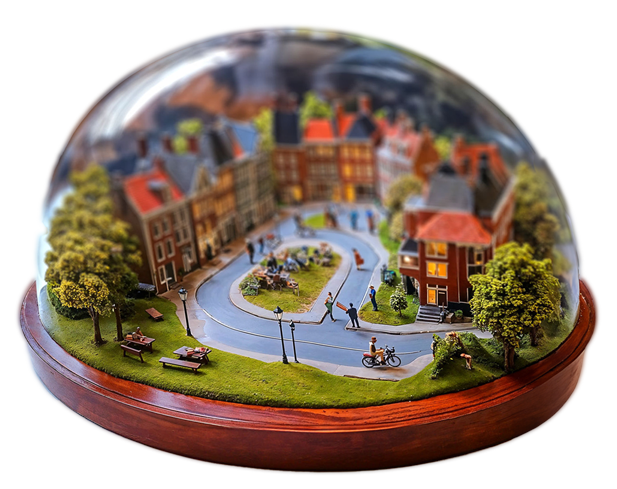
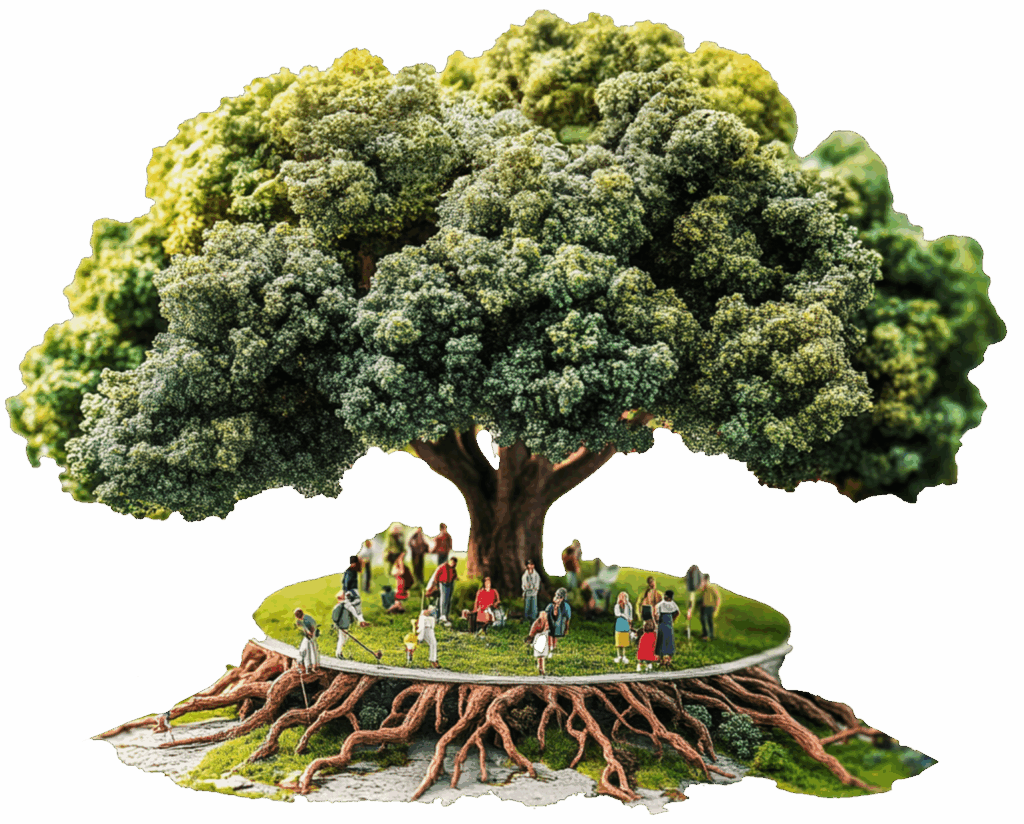
From a care system to a caring community: small-scale, person-centered, and rooted in the neighborhood.
This is how
it gets better
This is how
it gets better
A healthy, self-sufficient ecosystem does not arise spontaneously. It requires a carefully formulated approach, targeted interventions, and above all: a healthy dose of patience and courage. But the urgency of the care crisis forced us to act quickly. And so we did. Currently, 20 neighbourhoods are in transition to thriving ecosystems. This is how we do it:
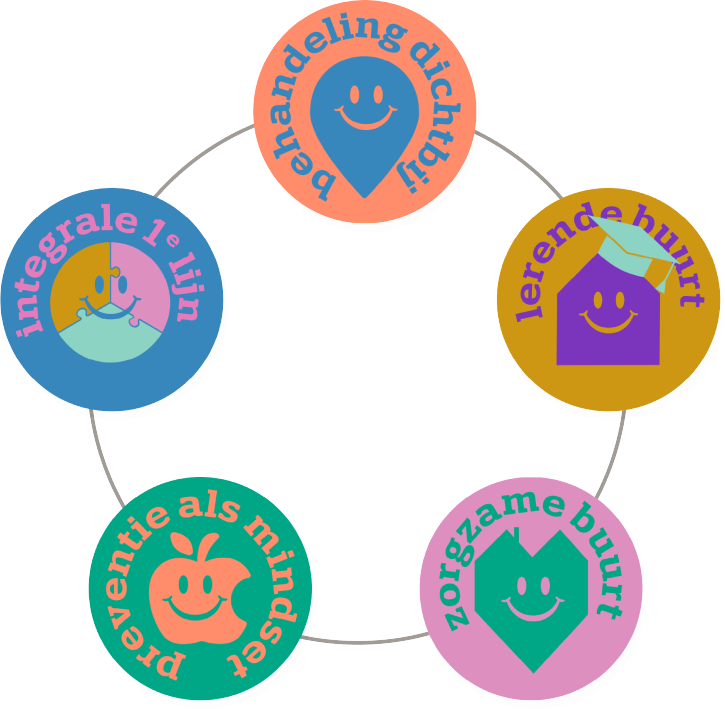
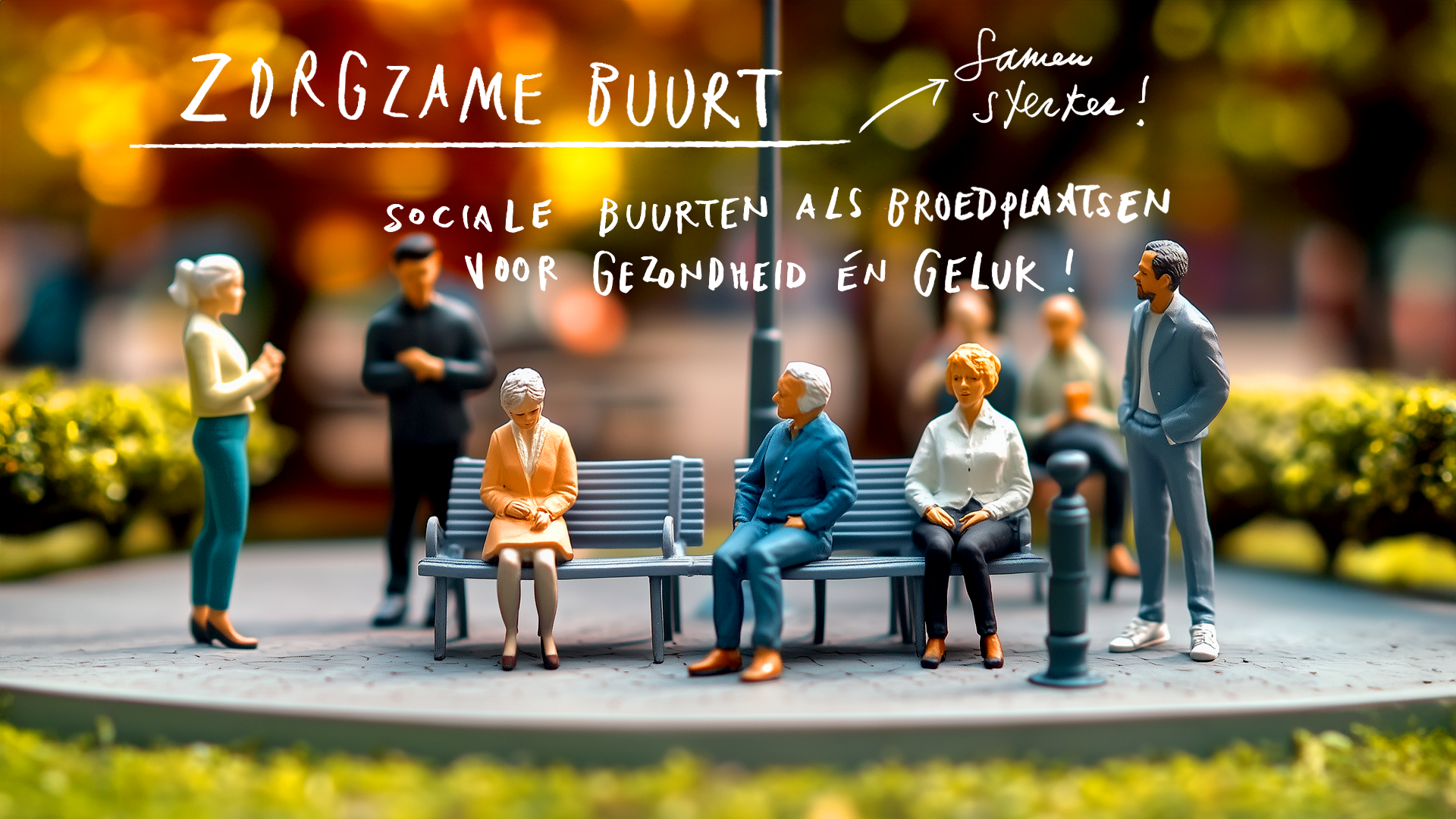
five themes for building communities
Heartfelt community care. This is what we’ve set out to create and cherish. From top-down and procedure-driven to small-scale, simple, and integrated. And most importantly: focused on people and their networks. And because we’re building a community, not a bureaucracy, our relationships are based on openness, trust, and a sense of connection.
Cod liver oil for everyone again?
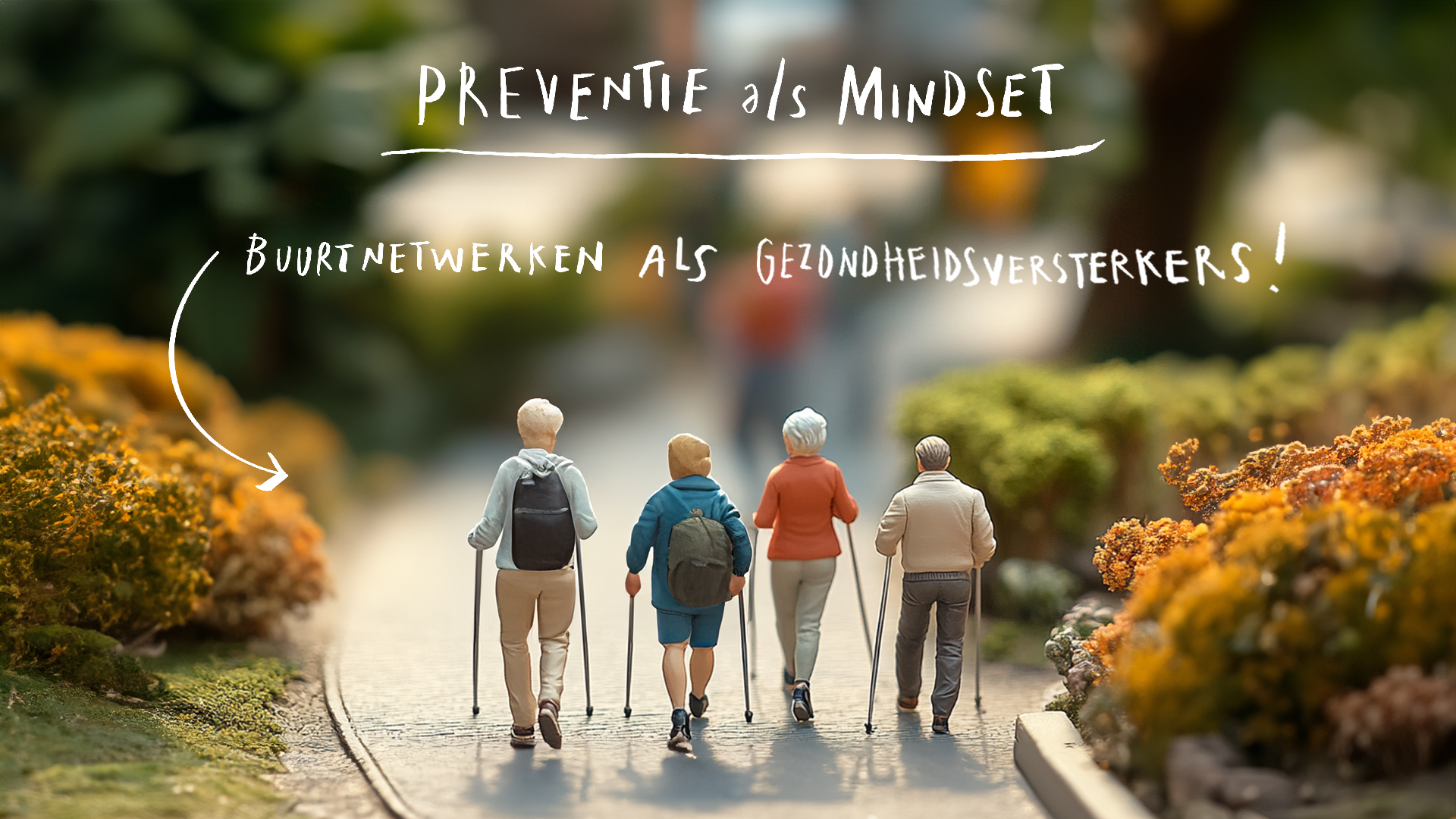
We wouldn’t dream of it. However, a renewed focus on often touted but rarely practiced ‘preventive thinking’ can significantly reduce the care burden. We facilitate a shift from ‘becoming healthy’ to ‘staying healthy,’ from ‘tending to’ to ‘ensuring that,’ and from ‘passively observing’ to ‘actively participating.’ (?) Met concrete tools en kennis, samen met informele netwerken, die bewoners helpen hun gezondheid in eigen hand te nemen. Met zorgprofessionals en sociaal werkers als betrokken partners, maar zelf ferm in de regisseursstoel.

The general practitioner of yesteryear knew every professional and every family in the neighbourhood.
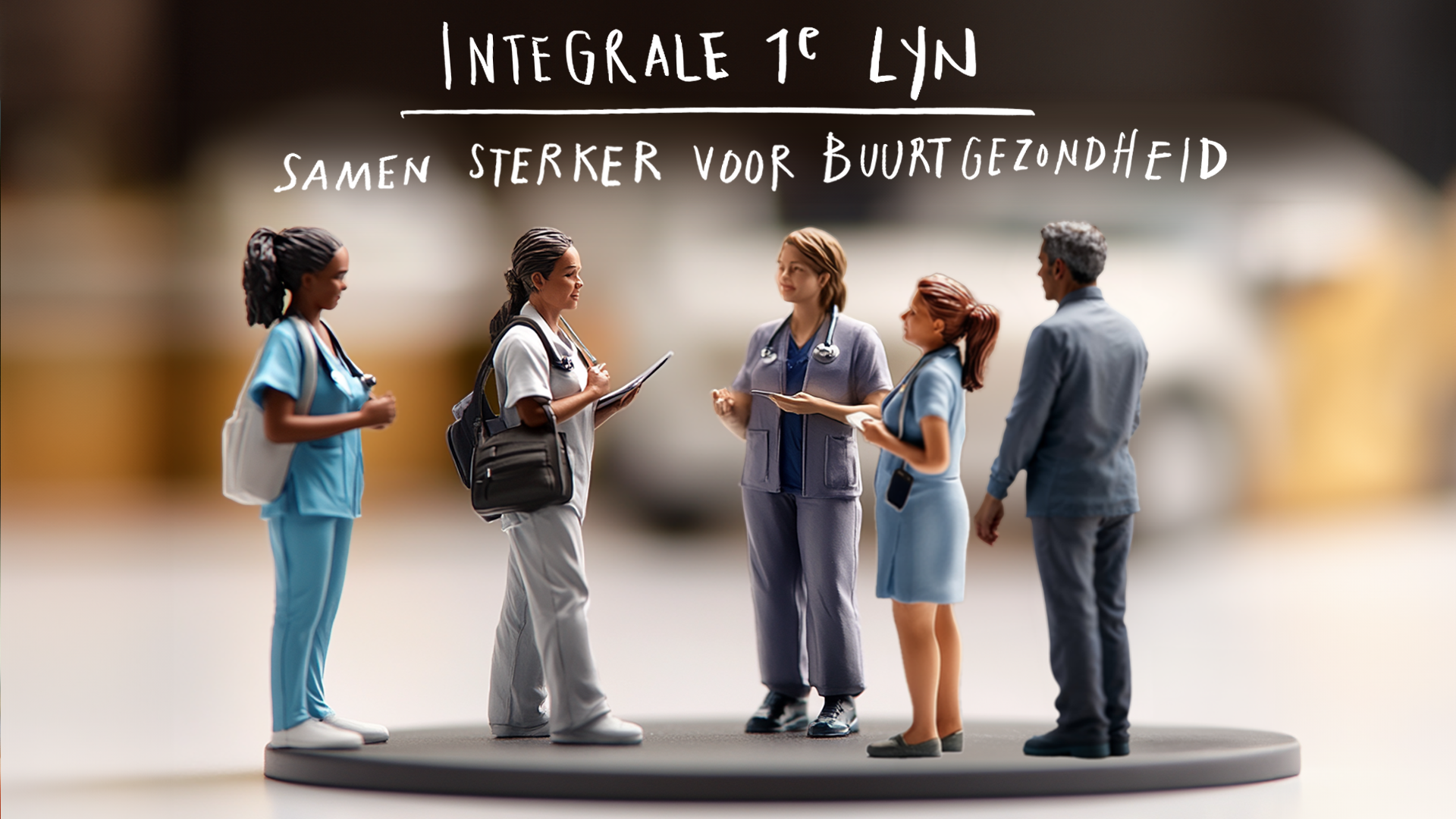
That time will not return, but hopefully the principle behind it will. General practitioners, community nursing, and social work working together and staying close to residents. Who know what is happening behind the front door. Who create connections with formal and informal networks. Who focus on both health and behavior, because they see the complete picture. And because they want to make truly sustainable impact.

Hospital care is a great asset.
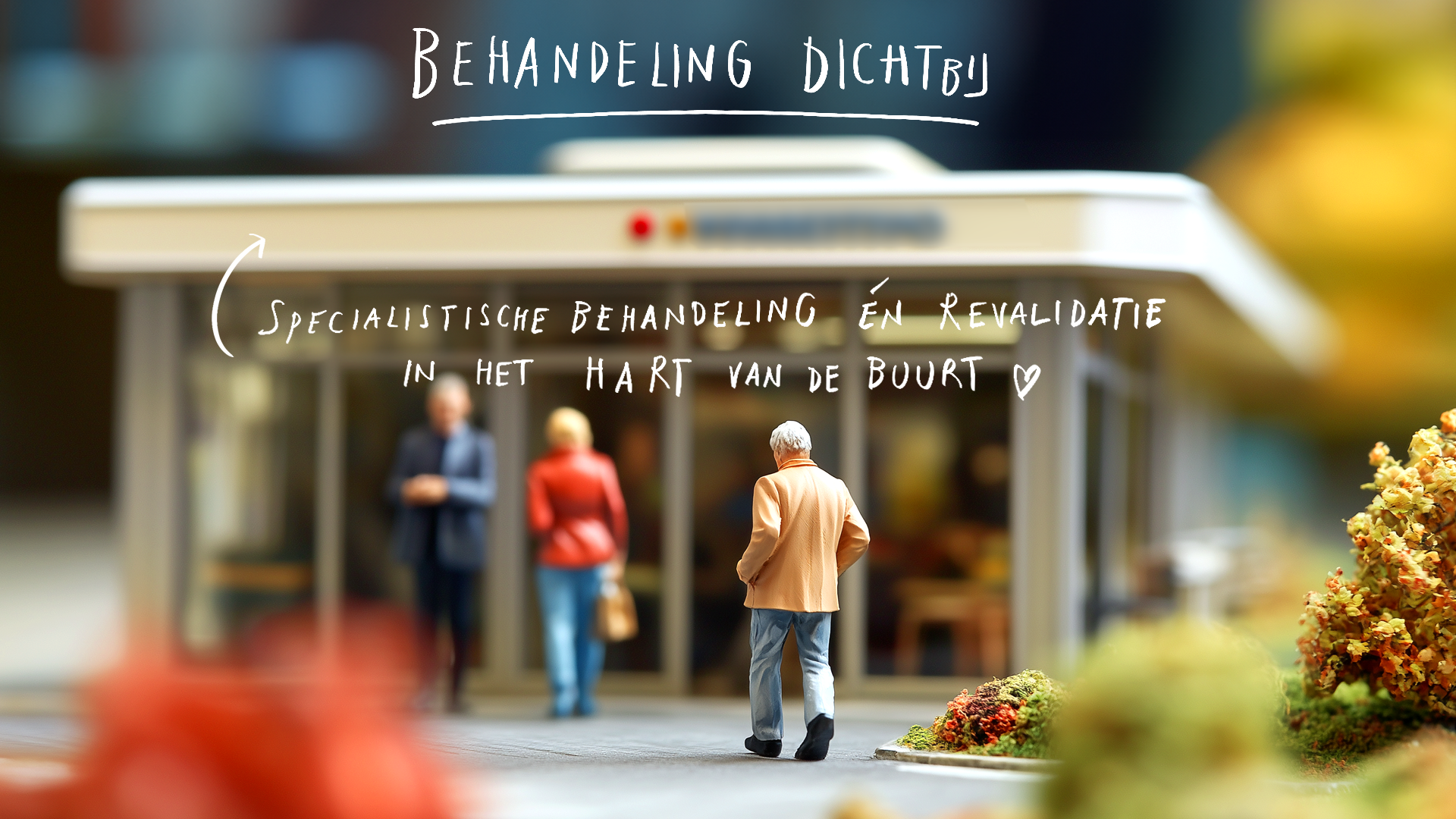
But not every treatment needs to take place in the hospital. We bring specialized care to people. At home, in the neighbourhood. With smart technology that bridges distance. And with innovative care pathways that truly bring care closer.

You create a healthy neighbourhood together.
By thinking smartly about the design of public spaces. By creating meeting places. By maintaining them together. By strengthening informal networks. And by connecting professionals, volunteers, and informal caregivers. Not as a theoretical model, but as daily practice, embedded in the approaches of professionals.

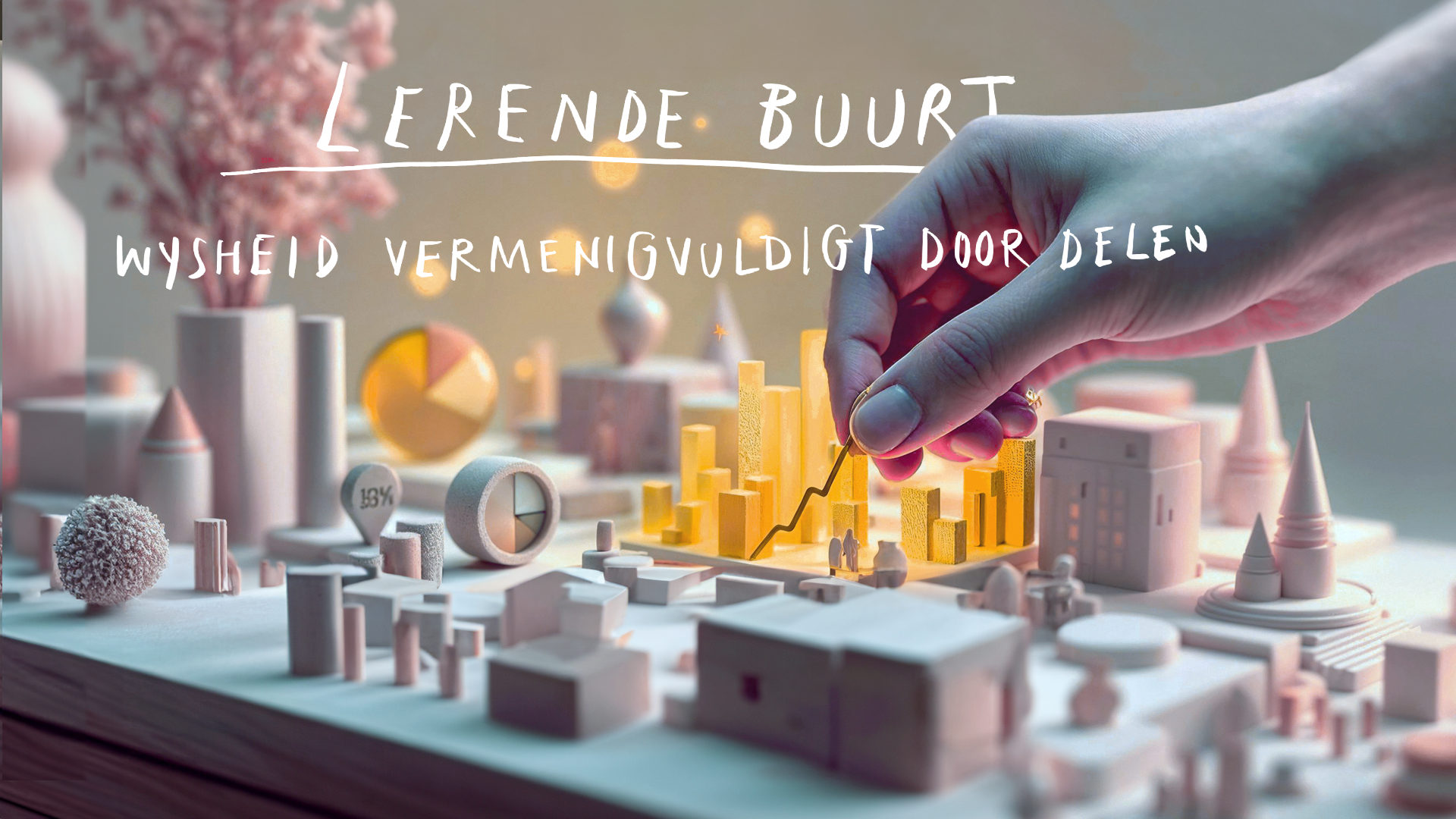
Knowledge multiplies by sharing.
In the Learning Community, we make that concrete. With a digital platform where experiences are exchanged. With neighbours who coach each other. With professionals who share their expertise. And with data that helps us understand what works – and what doesn’t. This way, every neighbourhood becomes a living laboratory for better care and we create a learning network of neighbourhoods.





five themes for building communities
Heartfelt community care. This is what we’ve set out to create and cherish. From top-down and procedure-driven to small-scale, simple, and integrated. And most importantly: focused on people and their networks. And because we’re building a community, not a bureaucracy, our relationships are based on openness, trust, and a sense of connection.
Cod liver oil for everyone again?
We wouldn’t dream of it. However, a renewed focus on often touted but rarely practiced ‘preventive thinking’ can significantly reduce the care burden. We facilitate a shift from ‘becoming healthy’ to ‘staying healthy,’ from ‘tending to’ to ‘ensuring that,’ and from ‘passively observing’ to ‘actively participating.’ (?) Met concrete tools en kennis, samen met informele netwerken, die bewoners helpen hun gezondheid in eigen hand te nemen. Met zorgprofessionals en sociaal werkers als betrokken partners, maar zelf ferm in de regisseursstoel.
The general practitioner of yesteryear knew every professional and every family in the neighbourhood.
That time will not return, but hopefully the principle behind it will. General practitioners, community nursing, and social work working together and staying close to residents. Who know what is happening behind the front door. Who create connections with formal and informal networks. Who focus on both health and behavior, because they see the complete picture. And because they want to make truly sustainable impact.
Hospital care is a great asset.
But not every treatment needs to take place in the hospital. We bring specialized care to people. At home, in the neighbourhood. With smart technology that bridges distance. And with innovative care pathways that truly bring care closer.
You create a healthy neighbourhood together.
By thinking smartly about the design of public spaces. By creating meeting places. By maintaining them together. By strengthening informal networks. And by connecting professionals, volunteers, and informal caregivers. Not as a theoretical model, but as daily practice, embedded in the approaches of professionals.
Knowledge multiplies by sharing.
In the Learning Community, we make that concrete. With a digital platform where experiences are exchanged. With neighbours who coach each other. With professionals who share their expertise. And with data that helps us understand what works – and what doesn’t. This way, every neighbourhood becomes a living laboratory for better care and we create a learning network of neighbourhoods.
locally focused, nationally connected
The Neighbourhood as an Ecosystem aims to inspire a national ‘neighbourhood society’. We are building a network of neighbourhoods that strengthen each other. Each with its own character, but united by a shared approach. This way, we make successes measurable, learnings shareable, and impact scalable. The five themes form the foundation. The local interpretation determines the success.
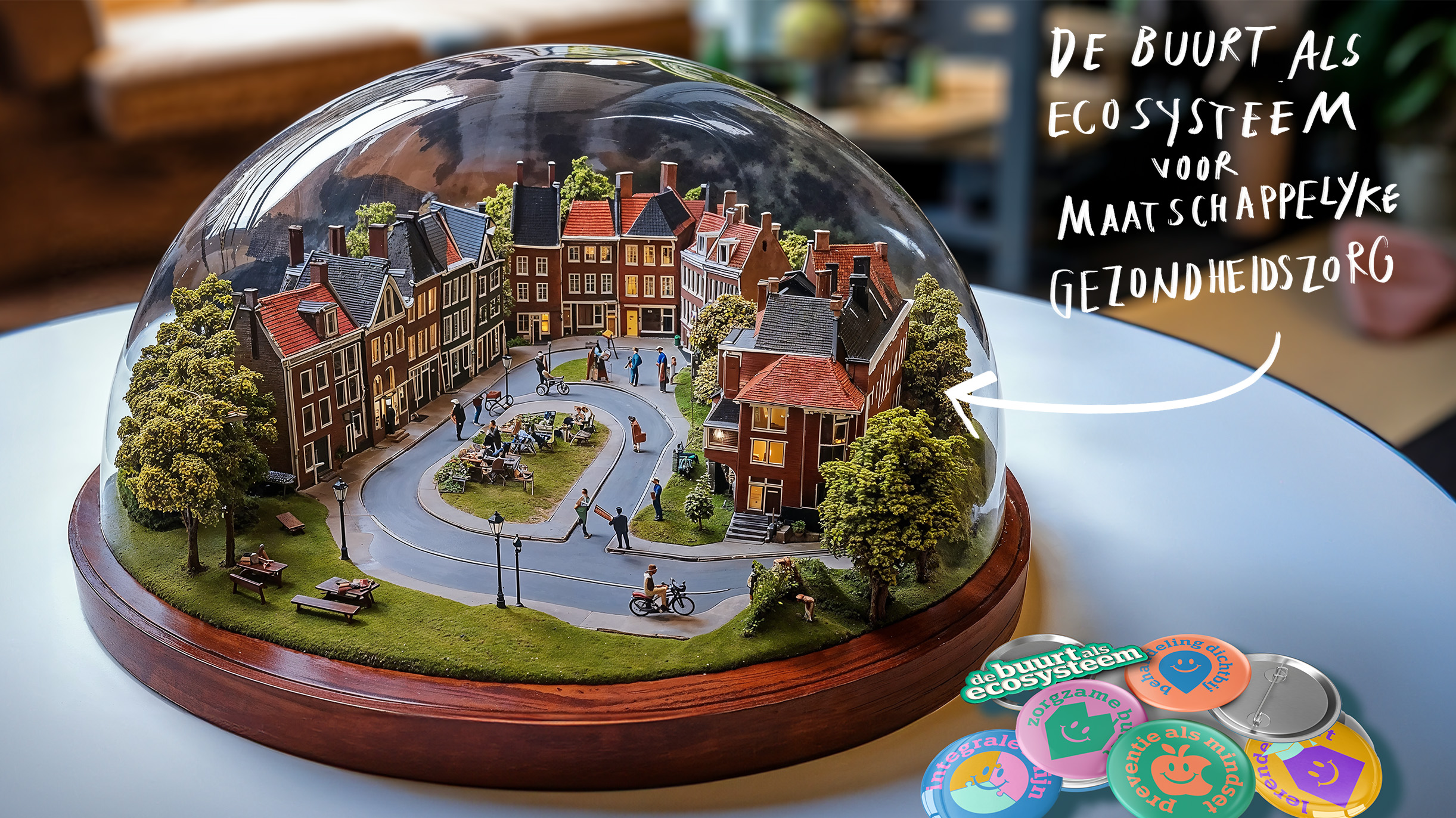
the journey so far, and where we are headed
The community as ecosystem is a young initiative. But one with deep roots. In history and in the social environment. Since our start in 2024, 20 enthusiastic neighbourhoods have already joined. And that number continues to grow…
already
2027
2029
in participating neighbourhoods
in participating neighbourhoods
with nationwide scaling
from start
to impact:
the three phases
from start
to impact:
the three phases
The art of change lies in its pace. Going too fast erodes support. Going too slow stalls the momentum. Our approach is therefore structured, but flexible in execution.
the
foundation
Every successful community network starts with the right people. An alliance partner champions the project and appoints a coordinator and driving force from district nursing. Together, they put the project on the map. A second driving force is also appointed, for example from the social services sector or the municipality. Together, they recruit local ambassadors – professionals and residents with a strong local network. They form the community network together.
the
community plan
With the community network complete, the analysis phase begins. What characterizes this neighbourhood? What are the biggest challenges? Which informal networks and initiatives already exist? How can we connect with them? And most importantly: what works here, and what doesn’t? These insights form the basis for the community plan. A standard approach with activities per theme is available for the neighbourhoods. A plan that looks beyond just care. That builds bridges between the medical and social domains, between formal and informal networks. That sets concrete goals and makes clear choices. And that secures funding with a sound budget.
phased
implementation
Then the real work begins. The community network chooses a number of quick wins to quickly generate energy. In parallel, the long-term initiatives run. Of course, all activities are measurable. The community network evaluates, adjusts, and shares knowledge with other communities in the network. This way, best practices with demonstrable impact are developed, which form the basis for scaling up and for the development of national standards for district nursing. Ultimately, these standards must be included in training programs, so that we structurally embed changes!
governance
that works

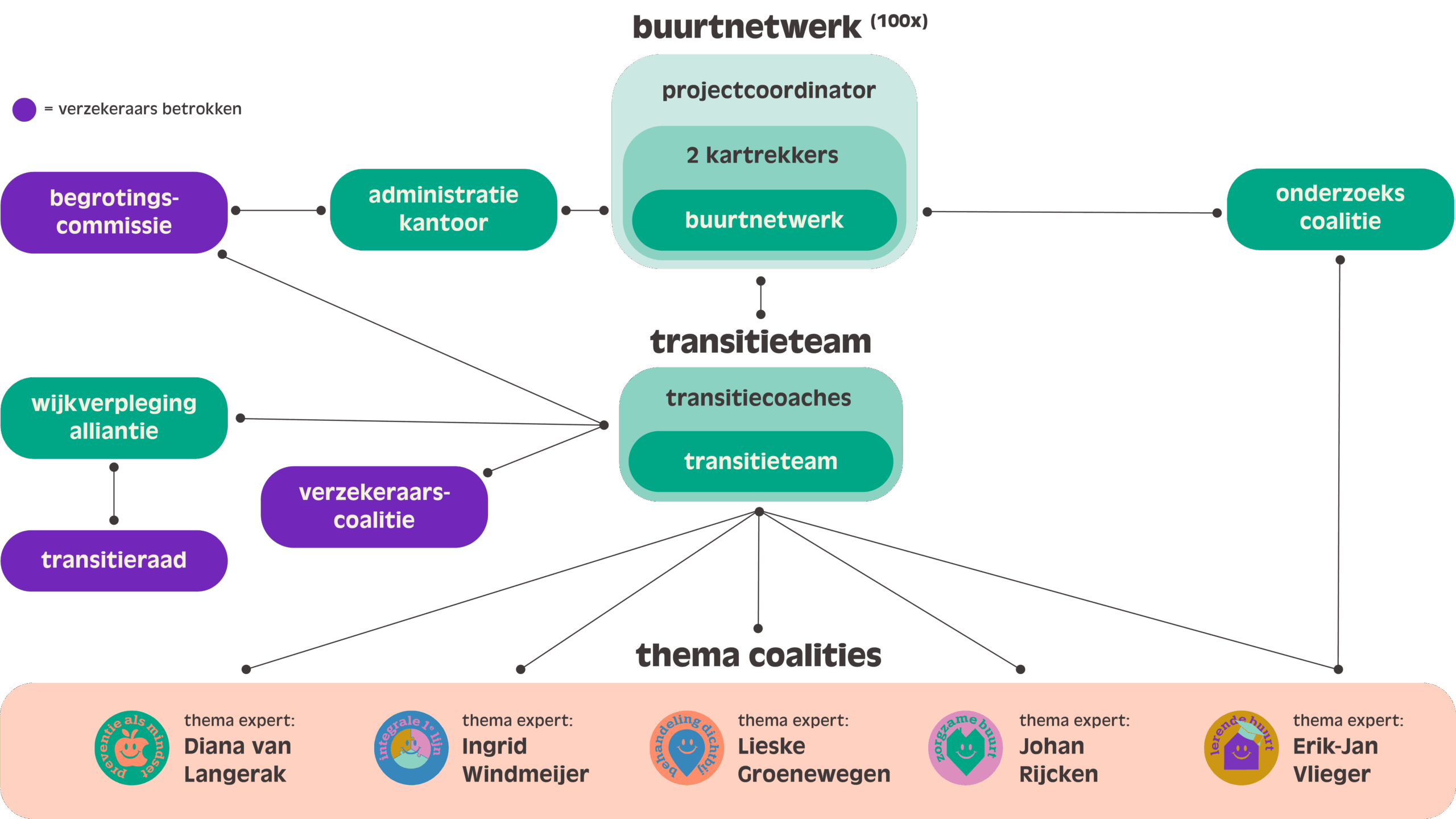
Traditional governance is like a straitjacket: tight, uncomfortable, and hierarchical. This often limits the speed of action! The Community as an Ecosystem chooses a different form. Light but effective. Supportive instead of controlling. A rhythm that strengthens the movement instead of slowing it down. This is what it looks like:
smart data, smartly used
Measuring is only meaningful if it makes you wiser. If it helps you do things just a little better tomorrow than today. We look at data on multiple levels. Hard figures tell us what is happening: how many residents participate, which interventions are used, and what is the impact on healthcare utilization? The stories behind them tell us why it is happening: how people experience health, what helps or hinders them. And the social map shows how it all connects: which networks are growing, where new connections are emerging, and where they still need to be stimulated.
sharing fairly
What we learn, we share. With other neighbourhoods in the network, so that national standards can be developed together. With training programs that shape the professionals of tomorrow. With policymakers who contemplate the frameworks of the day after tomorrow. This way, every measurement becomes a lesson. Every insight becomes a step forward. And every neighbourhood becomes a living laboratory for better care.
(?) Onze focus:
- (?) Data zorggebruik: inclusie, ingezette interventies, gebruik
- (?) Ervaringsverhalen: interviews, vragenlijsten
- (?) Netwerkanalyse: nieuwe verbindingen, participatie
Curious how a 'neighborhood ecosystem' works in practice?
And, more importantly, what does it all achieve? This is how Haarlem approaches it! (site in Dutch only)